When it comes to restoring a damaged or decayed tooth, dental crowns are one of the most reliable and versatile solutions. At Nova Dental Centre in London, Ontario, we offer high-quality crowns made from a variety of materials — helping patients choose the option that best matches their goals for strength, aesthetics, and longevity. In this guide, we’ll walk through different crown materials, their benefits and trade-offs, and help you decide “which crown is best for me?”
What Are Dental Crowns and Why Are They Used?
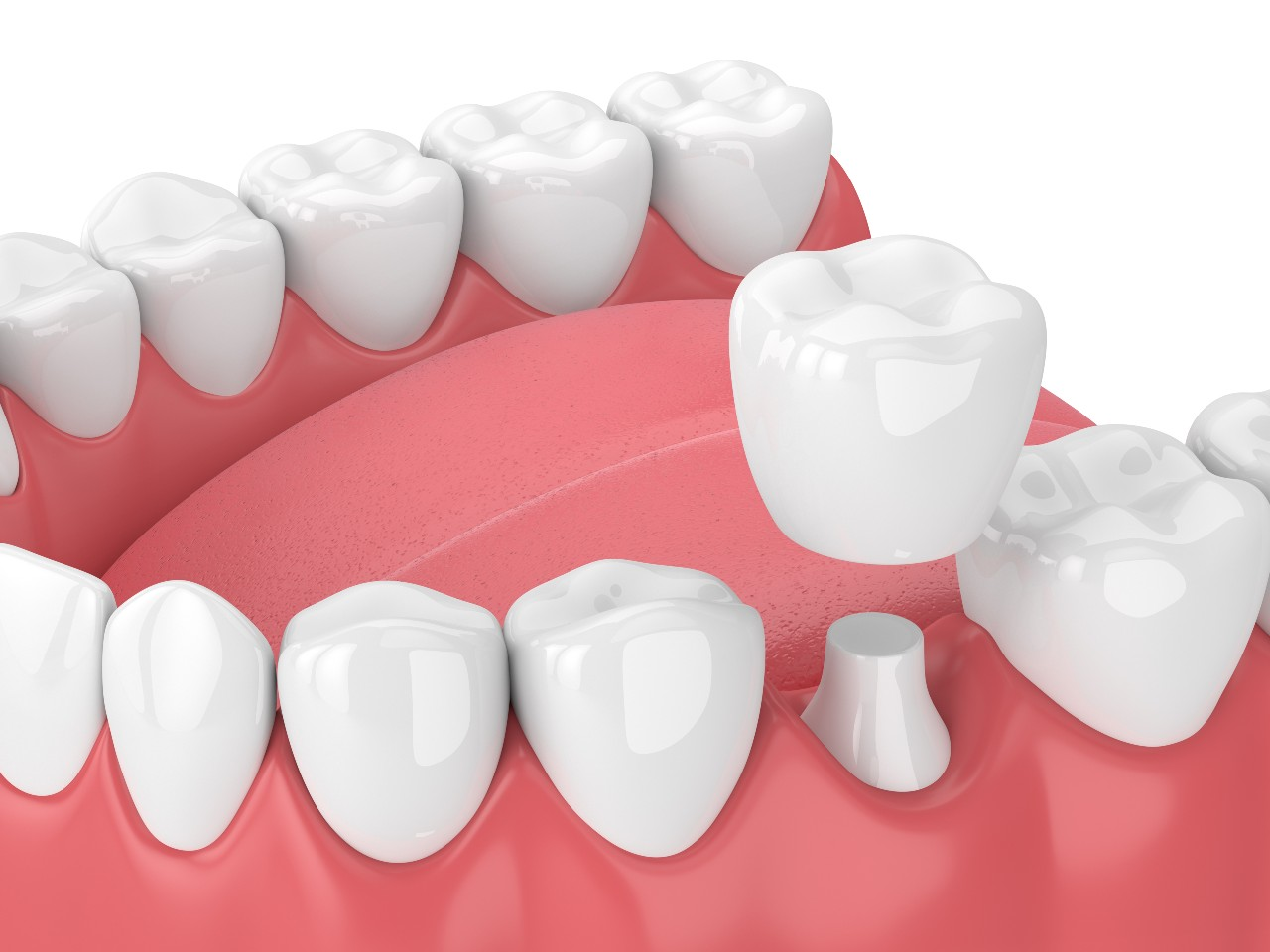
A dental crown is a custom-made “cap” that covers a damaged tooth to restore its strength, shape, size, and appearance. At Nova Dental Centre, our crown service is part of our restorative dentistry offerings. novasmiles.ca+1
Crowns are typically recommended when:
A tooth is cracked, worn, or weakened
A large filling has compromised the tooth structure
A tooth has had a root canal
You want to improve the tooth’s appearance (shape or color)
A dental implant needs a restoration
The right crown material can dramatically affect how natural, durable, and long-lasting your restoration will be.
Common Dental Crown Materials: Overview and Comparison
Here are the main types of crown materials offered in modern dentistry, including those likely available at Nova Dental Centre:
Metal Crowns
Porcelain-Fused-to-Metal (PFM)
All-Ceramic / Porcelain Crowns
Zirconia Crowns
Hybrid / Layered Options
Let’s explore each.
1. Metal Crowns
Pros:
Extremely strong and durable — great for back teeth where chewing force is high. Sherwood Dental
Requires less tooth structure removal. Sherwood Dental
Long track record of success.
Cons:
Highly visible metallic color, which may not be ideal for front teeth. Sherwood Dental
Not as natural-looking compared to tooth-colored materials.
Best Use:
Molars or wisdom teeth that are not in the aesthetic zone
Patients who want maximum strength and longevity over appearance
2. Porcelain-Fused-to-Metal (PFM) Crowns
PFM crowns consist of a metal base covered with a layer of porcelain, combining strength with a more natural appearance.
Pros:
More aesthetic than metal alone
Stronger than all-ceramic crowns due to the metal substructure
Suitable for many clinical scenarios including bridges
Cons:
Porcelain layer may chip over time, revealing the metal underneath. Sherwood Dental
Sometimes a dark line is visible at the gum line if gums recede.
Requires more tooth reduction than some all-ceramic options.
Best Use:
Teeth that need strength but are also visible
Patients who want a balance between durability and aesthetics
3. All-Ceramic / Porcelain Crowns
These crowns are made from ceramic materials without any metal framework — including options like lithium disilicate (e.g., e.max) or pure porcelain.
Pros:
Very natural-looking, with excellent translucency that mimics natural enamel. Nova Smiles+1
Metal-free, making them a good choice for patients with metal sensitivities.
Aesthetically ideal for front teeth.
Cons:
Not as strong as metal-based crowns, so may fracture or chip in high-stress areas. gigi.my
Requires more precise tooth preparation.
Best Use:
Front teeth where aesthetics are a priority
Patients who want a fully natural-looking restoration with no metal
4. Zirconia Crowns
Zirconia (zirconium dioxide) is a ceramic material known for its impressive strength. Today, zirconia crowns are often created using CAD/CAM technology.
Pros:
Very high strength — suitable for both front and back teeth. Wikipedia+1
Biocompatible and durable
No metal, so no risk of dark margins at the gumline
Can be layered with porcelain for added translucency
Cons:
Some monolithic zirconia crowns can appear opaque because of their strength. Sherwood Dental
More expensive lab and manufacturing costs depending on the type.
Adjustments (grinding) must be polished carefully to avoid roughness.
Best Use:
Back teeth or grinders (bruxers) who need very strong material
Patients wanting a metal-free yet durable crown
5. Hybrid / Layered Crowns
These are crowns that combine materials — for example, a zirconia core for strength, layered with porcelain for better aesthetics, or newer CAD/CAM hybrid materials.
Pros:
Balance of strength and aesthetics
High-strength substructure with a more natural outer layer dnsdental.com
Good for cases where both durability and appearance are needed
Cons:
Potential for porcelain chipping on the outer layer
Can be more expensive due to complexity in manufacturing
Best Use:
Patients who need durable crowns but also care about natural, translucent appearance
Strategic placements (e.g., premolars or visible teeth)
How Nova Dental Centre Helps You Choose the Right Crown
At Nova Dental Centre, our dentists work closely with you to recommend the best material based on:
Your bite and chewing forces
Whether the tooth is visible when you smile
Your preference for aesthetics vs durability
Your budget
Any allergies or sensitivities (e.g., to metal)
Because we use modern technology, we can precisely prepare your tooth, take digital scans, and send accurate impressions to the lab — resulting in well-fitting, high-quality crowns.
Caring for Your Crown: Tips for Longevity
Once your crown is placed, taking care of it properly can help it last many years. Here’s how:
Maintain Good Oral Hygiene – Brush twice a day, floss daily, and use an antibacterial mouthwash as needed.
Avoid Very Hard Foods – Things like very hard candy or ice can risk damaging the crown.
Use a Night Guard (if needed) – If you grind or clench your teeth, a night guard can protect both your crown and natural teeth.
Regular Dental Visits – Checkups allow us to monitor the crown and the supporting tooth.
Be Cautious with Staining Foods – Coffee, tea, and red wine can stain some crown materials over time, especially layered or porcelain designs.
Frequently Asked Questions (FAQ)
Q1: How long will my dental crown last? A: With proper care, a crown can last anywhere from 10 to 20 years — and often longer. Regular checkups and good hygiene play a big role.
Q2: Will the crown match the colour of my natural teeth?
A: Yes. Nova Dental Centre uses shade-matching at the time of impression to ensure your crown closely matches your surrounding teeth for a seamless smile.
Q3: Is getting a crown painful?
A: No — the process is done under local anesthesia, so you shouldn’t feel pain during the procedure. There may be some sensitivity afterward, but it is typically mild.
Q4: Can you repair or replace a damaged crown?
A: Depending on the type of damage, crowns can sometimes be repaired. If the crown is cracked or worn, we can remove and replace it with a new one.
Q5: Do I need a crown if I just have a filling?
A: Not always. If the filling is stable and there is enough healthy tooth structure, a crown may not be needed. However, if the tooth is weakened or risk of fracture is high, a crown is often the best option.
Final Thoughts: Choosing the Best Crown for You
When it comes to dental crowns, there’s no “one-size-fits-all” solution. The best choice depends on your needs for strength, look, cost, and long-term goals. At Nova Dental Centre, we guide you through all the options — from all-ceramic beauty to rock-solid zirconia or traditional metal.
Choosing the right crown material means investing in a restoration that not only strengthens your tooth but also enhances your confidence and quality of life. With expert care, the right material, and good maintenance, your crown can serve you beautifully for years.