Keeping your family’s smiles healthy takes more than daily brushing and flossing. While good home care is crucial, regular dental checkups play an equally important role in maintaining strong teeth and gums. For families in London, Ontario, routine visits help prevent dental issues, reduce long-term costs, and support healthy habits for children and adults alike. Whether you’re a parent, a senior, or someone looking to protect your oral health, consistent dental checkups are essential to your overall well-being.
At Nova Dental Centre, we believe preventive care is the foundation of lifelong dental health. Here’s why routine dental visits matter—and how they benefit every member of your family.
1. Early Detection Prevents Bigger Problems
Many dental problems start small but progress quickly if not treated early. Cavities, gum disease, and enamel erosion often develop silently. Without professional monitoring, you might not notice symptoms until significant damage has occurred.
During routine checkups, your dentist checks for:
Early-stage cavities
Gum inflammation (gingivitis)
Enamel wear
Bite or alignment issues
Oral cancer signs
Problems with restorations (crowns, fillings, etc.)
Detecting these issues early means simpler, less expensive, and less invasive treatments in the long run.
2. Professional Cleanings Help Protect Your Smile
Even with excellent brushing and flossing, plaque can harden into tartar in hard-to-reach areas. This buildup contributes to gum disease, bad breath, and tooth decay.
A professional dental cleaning removes:
Tartar (calculus)
Plaque deep beneath the gumline
Surface stains from food, coffee, and tea
For kids, dental cleanings also help prevent cavities, especially when paired with fluoride treatments and sealants.
3. Helps Establish Healthy Habits for Children
Kids’ dental experiences shape how they feel about oral care as adults. When children visit the dentist regularly, they become comfortable with the environment, tools, and procedures.
Routine visits help children learn:
Proper brushing and flossing techniques
The importance of oral hygiene
Healthy habits that last a lifetime
In addition, early checkups allow dentists to monitor jaw development, tooth eruption, and potential orthodontic needs like crowding or bite issues.
4. Prevents Gum Disease—A Common Adult Issue
Gum disease affects nearly half of adults, often without noticeable symptoms in the early stages. Regular dental checkups allow for early diagnosis and treatment to prevent progression to periodontitis—a serious condition that can cause tooth loss.
Signs your dentist checks for:
Red, swollen gums
Bleeding while brushing
Gum recession
Deep periodontal pockets
Treating gum disease early saves money, discomfort, and future complications.
5. Supports Overall Health and Wellness
Oral health is closely linked to overall health. Poor dental hygiene increases the risk of systemic conditions such as:
Heart disease
Diabetes complications
Respiratory infections
Pregnancy issues
A healthy mouth supports a healthy body. For families who prioritize well-being, routine dental visits are a simple yet powerful step toward long-term wellness.
6. Helps Prevent Dental Emergencies
Many dental emergencies—like infections, broken fillings, or severe toothaches—can be avoided with routine checkups. When your dentist monitors your oral health, they can spot potential problems before they escalate.
Early intervention reduces:
Pain
Treatment complexity
Emergency costs
For parents, this also means fewer unexpected school absences or last-minute visits.
7. Saves Money with Preventive Care
Regular checkups cost far less than restorative treatments. A simple cleaning and exam are much more affordable than fillings, root canals, crowns, or extractions.
Preventive care helps families:
Avoid expensive procedures
Reduce dental-related stress
Maintain beautiful, functional smiles
Insurance plans often cover checkups and cleanings, making them even more cost-effective.
8. Encourages Confidence and Better Smiles
A healthy smile boosts self-esteem in both kids and adults. Periodic checkups ensure your family maintains bright, clean, and confident smiles.
Dentists help address:
Staining
Bad breath
Tooth sensitivity
Cracked or worn teeth
This contributes to improved mental and emotional well-being—especially for teens and young adults.
How Often Should Families Visit the Dentist?
Most patients benefit from London dental checkups every six months. However, individuals with gum disease, orthodontic appliances, or a history of dental problems may require more frequent visits.
Your dentist will recommend the best schedule based on your family’s unique needs.
Why Choose Nova Dental Centre for Family Dental Checkups in London, Ontario?
At Nova Dental Centre, we are committed to providing high-quality, gentle dental care for patients of all ages. Our family-friendly approach ensures that children, teens, adults, and seniors all feel comfortable and supported during every visit.
We offer:
Comprehensive exams and cleanings
Children's dentistry
Preventive and restorative treatments
Modern technology for accurate diagnosis
A compassionate team focused on patient comfort
Your family’s dental health is our priority.
FAQ – Regular Dental Checkups for Families
1. How often should my family get dental checkups?
Every six months is recommended for most families. Those with ongoing oral health concerns may benefit from more frequent visits.
2. Are dental checkups necessary if I brush and floss daily?
Yes. Professional exams detect hidden issues, and cleanings remove tartar that brushing alone can’t remove.
3. When should my child start visiting the dentist?
Children should see a dentist by age one or within six months of their first tooth erupting.
4. What happens during a dental checkup?
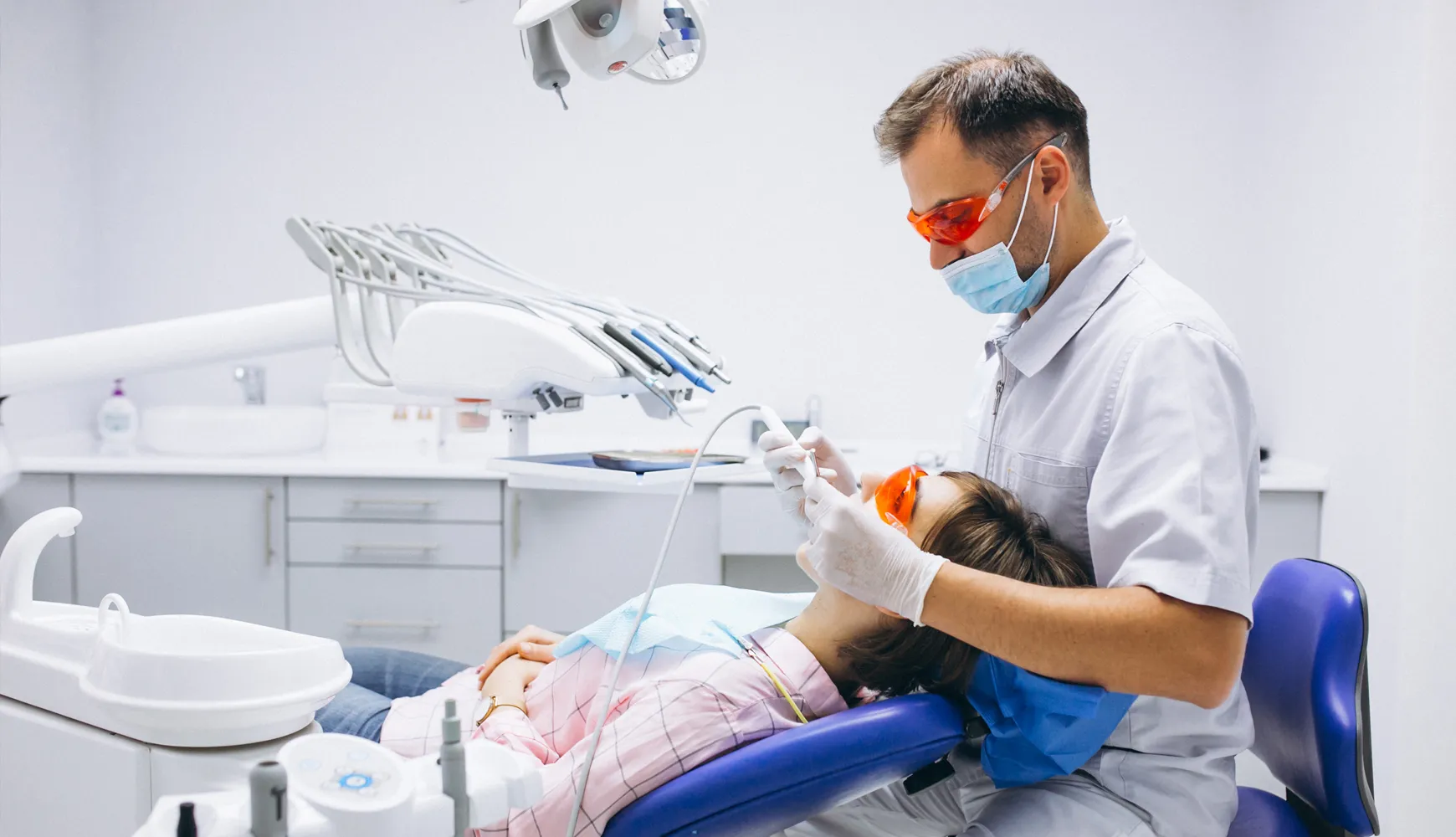
Your dentist will examine your teeth, gums, jaw, and oral tissues, followed by a professional cleaning, X-rays (if needed), and personalized recommendations.
5. Can regular checkups reduce dental costs?
Absolutely. Preventive care is far more affordable than advanced treatments like fillings, crowns, or root canals.